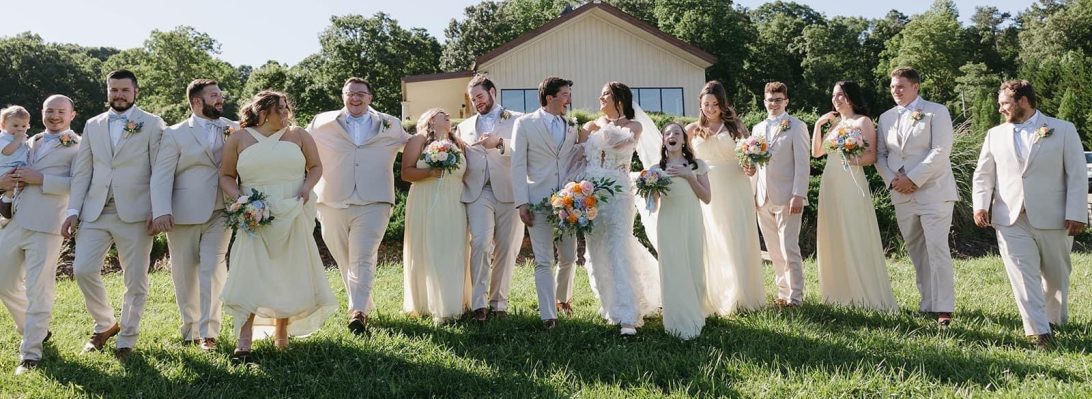

That little line on the invitation can set the entire visual mood of a wedding. “Cocktail attire” sounds simple until a guest wonders whether a floral midi dress is polished enough. “Black tie optional” can leave everyone debating tuxedos, gowns, and whether a suit will feel underdressed.
A thoughtful wedding dress code guide takes the guesswork out of getting ready. For guests, it offers a sense of confidence before they step into the celebration. For brides, it is a gentle way to shape the atmosphere around the day you have imagined – whether that is an airy garden ceremony, a candlelit ballroom reception, or something wildly romantic in between.
Why Your Wedding Dress Code Matters
A dress code is not about making anyone feel restricted. It is an act of hospitality. Your guests have made room in their calendars, arranged travel, and chosen a meaningful gift. Giving them clear direction helps them arrive feeling comfortable, appropriate, and ready to celebrate you.
It also brings your wedding vision into focus. Your gown, venue, florals, stationery, and lighting all tell part of the story. Guest attire becomes part of that picture, too. A formal evening celebration with tuxedos and floor-length gowns feels different from a sun-drenched vineyard gathering in linen suits and floral dresses. Neither is more beautiful. The right choice is the one that feels honest to the two of you.
The key is matching the formality of your wording to the reality of the event. If your reception is outdoors in Georgia in July, a strict black-tie expectation may feel less inviting than formal attire with breathable fabrics encouraged. If your ceremony is in a grand ballroom after sunset, cocktail attire may undersell the elegance of the setting.
Wedding Dress Code Guide: What Each Term Means
Casual
Casual is the most relaxed wedding dress code, but it still calls for intention. Guests can wear sundresses, polished jumpsuits, skirts with elevated tops, chinos, or a collared shirt with dress shoes. Denim, athletic wear, flip-flops, and anything that looks like it belongs at the gym are usually best left at home unless the couple specifically says otherwise.
This dress code works beautifully for a backyard celebration, daytime beach wedding, or laid-back gathering where comfort is part of the charm. Couples can make it clearer by adding a detail such as, “Casual garden attire encouraged.”
Dressy Casual
Dressy casual sits one step above relaxed everyday clothing. Think breezy midi dresses, tailored separates, a smart jumpsuit, slacks with a button-down shirt, or loafers rather than sneakers. It is polished without being precious.
This is a lovely fit for brunch weddings, restaurant receptions, winery celebrations, and outdoor ceremonies that feel elevated but easygoing. Guests should still consider the venue. A grassy lawn calls for a block heel, wedge, or dressy flat rather than a delicate stiletto that will sink before cocktail hour.
Cocktail Attire
Cocktail attire is one of the most popular choices for modern weddings because it leaves room for personality while still feeling celebratory. For women, that often means a midi or knee-length dress, a chic jumpsuit, or sophisticated separates. For men, a dark suit, dress shirt, and polished shoes are a reliable choice. A tie is traditionally expected, though couples may state otherwise.
Color, texture, and playful details are welcome here. A silky slip dress, a floral print in a richer palette, or a tailored suit with an interesting pocket square can all feel right. The goal is festive refinement, not office wear and not a full evening gown.
Formal or Black-Tie Optional
Formal and black-tie optional are close cousins, and both signal an elegant evening. Women may choose a floor-length gown, a refined midi dress, or a dressy jumpsuit in luxe fabric. Men should wear a dark suit and tie at minimum. A tuxedo is encouraged for black-tie optional and may be especially fitting for an evening ceremony in a formal venue.
The phrase “optional” is useful when you love the look of black tie but do not want guests to feel obligated to rent a tuxedo or purchase a new gown. It gives people flexibility while setting an unmistakably elevated tone.
Black Tie
Black tie is glamorous, classic, and beautifully suited to a formal evening wedding. Men traditionally wear tuxedos with black bow ties, formal shoes, and a crisp white shirt. Women generally wear floor-length gowns or exceptionally polished formal dresses. Rich colors, sleek tailoring, satin, crepe, velvet, and subtle sparkle all belong here.
If you choose black tie, let the rest of the experience support it. A ceremony after 5 p.m., a refined venue, formal stationery, and a seated dinner naturally reinforce the expectation. A black-tie dress code can feel magical, but it asks more of guests, so clarity is especially kind.
White Tie
White tie is the most formal dress code and is uncommon for most contemporary weddings. It calls for full evening dress: tailcoats, white bow ties, and formal accessories for men, plus full-length evening gowns for women. Unless you are hosting a particularly traditional, grand affair, black tie will likely create the elegant effect you want with far more ease for your guests.
For Brides: Let the Dress Code Support Your Look
Your own gown does not need to be dictated by the guest dress code. A bride in a softly layered tulle gown can look completely at home at a cocktail-attire garden wedding. A sleek, modern crepe gown can feel striking in a black-tie ballroom. This is your moment, and your dress should reflect your personal style first.
Still, thinking about the overall level of formality can help everything feel beautifully connected. A cathedral-length veil, dramatic train, and intricate beading naturally complement a formal evening celebration. For a relaxed outdoor ceremony, an ethereal A-line, floral appliqué, delicate straps, or romantic sleeves may feel wonderfully aligned with the setting.
At Bridals by Madison, this is often part of the conversation during a private appointment. A gown is never just a gown in isolation. The venue, the season, the way you want to move through the day, and the feeling you want your guests to carry home all help create a look that feels like you.
Consider the Details Guests Cannot See on the Invitation
A dress code is helpful, but practical notes are just as valuable. If guests will walk across a lawn, sit outdoors after sunset, or attend a ceremony on sand, tell them. A simple line such as “The ceremony will take place on grass” can save someone from an uncomfortable footwear choice.
Weather deserves the same consideration. Metro Atlanta weddings can be warm and humid well into fall, while spring evenings may bring a surprising chill. You can preserve a formal dress code while encouraging breathable fabrics, a light wrap, or comfortable shoes for the walk from parking to the venue.
For destination weddings, be even more specific. “Beach formal” and “mountain cocktail attire” provide useful context because location changes what feels appropriate. Guests may be able to dress elegantly in lighter materials, but they still need to plan for wind, uneven terrain, or changing temperatures.
How to Share Your Dress Code Clearly
Place the dress code where guests will actually find it: on the invitation, details card, wedding website, or all three. Keep the language warm and direct. You do not need a long explanation, but a little context goes a long way.
For a romantic garden wedding, try: “Garden cocktail attire. We invite you to wear festive colors and comfortable shoes for the lawn.” For a formal evening reception: “Black-tie optional. Tuxedos and evening gowns are warmly encouraged.” For a relaxed celebration: “Dressy casual attire. Think polished, comfortable, and ready to dance.”
Avoid vague phrases such as “nice attire” or “elegant casual” unless you explain what you mean. They can mean something different to every guest. The best dress code language feels like an invitation, not a test.
A Note for Guests Choosing What to Wear
When in doubt, it is usually better to be slightly more dressed up than slightly too casual. Start with the stated dress code, then consider the venue, time of day, season, and couple’s style. If their celebration is known for soft florals and romantic details, a feminine print or elevated pastel may feel right. If the invitation is minimal and evening-focused, a sleek darker look may be a better fit.
One enduring guideline remains: avoid white, ivory, cream, or anything that could read bridal unless the couple has explicitly asked guests to wear those shades. The exception is a themed all-white celebration, where the couple will make that request very clear.
Above all, choose something you can comfortably wear through the ceremony, dinner, photos, and a full dance floor. The most memorable wedding style has a little confidence in it. When guests feel at ease, they are free to be present for the beautiful part: celebrating a love story that is entirely its own.


