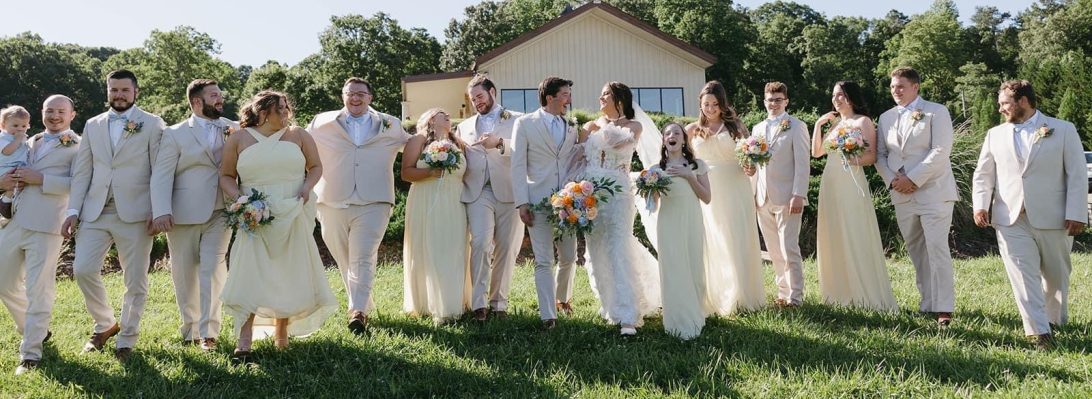
The moment a gown makes you stand a little taller, breathe a little deeper, and picture yourself walking toward your favorite person, you are feeling the effect of thoughtful wedding gown construction. The lace may be what first catches your eye, but the hidden work beneath it is what determines whether a dress feels weightless, secure, comfortable, and beautifully you for every moment of the day.
A wedding gown is not simply fabric shaped into a silhouette. It is a carefully considered balance of structure and softness, designed to flatter the body while creating movement, romance, and presence. Understanding a few of the details can help you look beyond the first sparkle and choose a gown you will love wearing just as much as you love seeing in photos.
Wedding Gown Construction Starts Beneath the Surface
A beautiful gown often has its most meaningful details hidden inside the bodice. Lining, built-in support, boning, cups, waist stays, and interior seams all work together to create the fit you feel.
Boning is one of the most common structural elements in bridal design. These flexible channels, often placed through the bodice, help a gown hold its shape and provide gentle support through the bust and waist. In a corseted or strapless style, boning can make the difference between a bodice that feels confidently secure and one that needs constant adjusting. It should support you without digging in, pinching, or making it difficult to sit and breathe naturally.
Many gowns also include built-in cups. For some brides, this creates a polished, supported look without needing a traditional bra. For others, especially brides with a fuller bust or a particular desired shape, additional support or alterations may be the better route. There is no universal answer here. The right construction is the one that works with your body, your comfort level, and the way you want to move through your wedding day.
A well-made lining matters, too. It is the layer closest to your skin, and it affects everything from comfort to how the outer fabric drapes. Soft stretch lining can make a fitted crepe gown feel more forgiving. A more structured lining may give a satin ball gown its crisp, sculpted shape. When trying on dresses, pay attention to how the inside feels. You deserve a gown that is as lovely to wear as it is to admire.
Structure and Softness Create the Silhouette
Every bridal silhouette relies on construction differently. A fitted sheath or mermaid gown needs careful seaming and strategic support to hug the body beautifully while allowing you to walk, sit, and celebrate. A-line gowns often depend on the placement of their waistline and the fullness of their skirt to create that effortless, universally flattering sweep. Ball gowns gain their drama from layers of fabric, lining, and sometimes discreet structure beneath the skirt.
Fabric plays an equally important role. Crepe has a chic, modern drape and tends to reveal the lines beneath it, which is why precise fit is especially important. Satin can look luminous and regal, with a smooth surface that highlights the gown’s tailoring. Tulle brings airy volume and movement, while chiffon creates a softer, floating effect. Lace can be delicate and whimsical or richly dimensional, depending on its pattern, placement, and the layers beneath it.
This is why two dresses with a similar neckline or silhouette can feel completely different on the body. One may be designed for a soft, unstructured look, while the other has more internal architecture for shape and support. Neither is inherently better. It depends on whether you want a breezy, barely-there feeling, a defined waist, dramatic volume, or a little of each.
The Power of Seams and Placement
Seams are not usually the detail brides notice first, but they are quietly responsible for some of the most flattering gowns in the showroom. Princess seams, for example, run vertically over the bodice and can create a beautifully elongated shape. A waist seam can define the smallest part of the torso, while a dropped waist can lengthen the body and add a fashion-forward feel before the skirt opens up.
The placement of lace appliqué also changes the visual effect of a gown. When lace trails upward from the skirt into the bodice, it can create a soft, elongated line. When it clusters at the waist, it can draw attention inward. A gown with floral appliqué over nude illusion tulle may feel ethereal and romantic, while the same lace over a solid lining can feel more classic and covered.
These details are part artistry, part engineering. They are also why a gown deserves to be seen on your body rather than judged only from a hanger or a photo.
How to Read a Gown During Your Appointment
You do not need to become a bridal designer before shopping. Still, a few simple observations will tell you far more than the label or the size on the tag.
First, notice the bodice. Does it stay in place when you lift your arms, turn, or take a few steps? Can you sit comfortably? Does the neckline lie smoothly against your body, or does it gape or press in? Some fit concerns can be refined during alterations, but a gown should already give you a promising foundation in the bust, waist, and overall proportion.
Then, pay attention to movement. Walk toward the mirror, turn to the side, and imagine hugging the people you love. If the gown has a train, feel its weight behind you. A longer train can be wildly romantic and unforgettable in photographs, but it will need to be bustled for the reception. A lighter skirt may be easier to move in, while a more layered gown can create the dramatic entrance you have always imagined. There is room for both practicality and magic.
Finally, look closely at the finish. Are beaded details securely attached? Does the lace lie flat where it should? Does the hem fall evenly? Is the zipper, button closure, or corset back thoughtfully finished? These details do not need to be inspected with anxiety. They simply help you understand the level of care behind the gown and what your alterations specialist may need to address.
Construction Does Not Mean You Have to Sacrifice Romance
Some brides hear words like boning, lining, and seams and imagine a stiff, overly formal dress. The loveliest bridal design proves otherwise. Structure can be nearly invisible. It can create the confidence to wear an off-the-shoulder neckline, a low back, a soft floral lace bodice, or a flowing skirt without feeling exposed or unsupported.
The same is true for comfort. A lightweight gown is not always the most comfortable, and a more substantial gown is not automatically restrictive. The key is how its components work together. A gown with layers can still feel surprisingly easy because its weight is distributed well. A sleek, minimalist style can feel less comfortable if the fit is too tight in the hips or the fabric has little give.
At Bridals by Madison, that is part of the beauty of a private appointment: there is time to notice how a gown makes you feel, not just how quickly it earns a reaction. Your stylist can help translate what you are responding to – perhaps you love the soft movement of tulle, the security of a corseted bodice, or the way a thoughtfully placed waistline changes your whole posture.
Leave Room for Alterations
Even exceptional wedding gown construction is only the beginning of the final fit. Bridal gowns are typically ordered based on your largest measurement and then tailored closer to your body. Alterations can refine the hem, adjust straps, shape the bust, contour the waist, add cups, and create a bustle for the train.
What alterations cannot always do is transform the essential architecture of a gown without changing its character or requiring significant expense. If you want a dramatic ball gown, starting with a simple sheath and trying to add volume later is rarely the easiest path. If you need substantial bust support, it is often best to begin with a bodice that already has supportive construction rather than hoping alterations will create it from nothing.
Bring your wedding shoes, or a pair with a similar heel height, to alteration appointments whenever possible. Your hem is built around how you will stand and walk on the day. And remember that undergarments should support the gown, not compete with it. Many gowns are designed to do much of that work on their own.
The right gown should make you feel held, not hidden; romantic, not costume-like; and entirely free to be present for the day you have been dreaming about. Let the fabric make your heart flutter, then let the construction give you the quiet confidence to wear that feeling all the way down the aisle.